Introduction
In today's fast-paced business environment, communication is paramount. With increasing reliance on technology, VoIP (Voice over Internet Protocol) phones have emerged as the preferred choice for organizations looking to streamline their communication processes. However, maintaining a VoIP system requires diligence and adherence to best practices. In this comprehensive article, we will delve into the best practices for maintaining your office's VoIP phone system, ensuring seamless operations and optimal performance.
What Are VoIP Phones?
VoIP phones allow users to make voice calls using the internet instead of traditional telephone lines. They convert sound into digital packets that are transmitted over IP networks, making communication more efficient and cost-effective. Businesses can enjoy advanced features like video conferencing, voicemail-to-email, and call analytics. Understanding how these systems work is essential for effective maintenance.
How Do VoIP Phones Work?
VoIP phones work by digitizing voice signals and transmitting them over the internet. This involves several key components:
Analog Telephone Adapter (ATA): Converts analog signals from traditional phones to digital. VoIP Gateway: Acts as a bridge between the public switched telephone network (PSTN) and VoIP networks. Internet Connection: A stable internet connection is crucial for quality service. VoIP Software: Utilizes software applications that manage calls and integrate with other communication tools.The Importance of Maintaining Your VoIP Phone System
Just like any other technology in your office, your VoIP phone system requires regular maintenance to function optimally. Failing to do so can result in poor call quality, connectivity issues, or even downtime.
Common Issues Faced Without Proper Maintenance
- Dropped Calls: Frequent disconnections can hinder business operations. Poor Voice Quality: Latency and jitter can lead to unclear conversations. Security Vulnerabilities: Unmaintained systems may be susceptible to cyber attacks.
Key Benefits of Regular Maintenance
Improved Reliability: Regular checks ensure consistent performance. Enhanced Security: Keeping your system updated protects against breaches. Cost Savings: Preventative maintenance can save costs associated with downtime.The Best Practices for Maintaining Your Office's VoIP Phone System
To ensure that your office's VoIP phone system runs smoothly, consider implementing the following best practices:
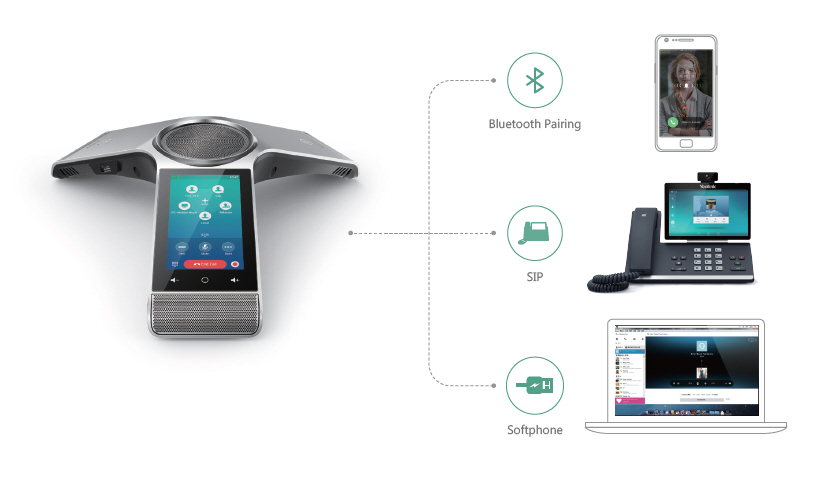
1. Regular Software Updates
Keeping all software up-to-date is crucial for security and performance.
Why Are Software Updates Important?
Outdated software may contain vulnerabilities that hackers can exploit. Additionally, updates often include performance enhancements VoIP Phones and new features that improve user experience.
How Often Should You Update?
Aim for monthly checks or configure automatic updates whenever possible.
2. Monitor Network Performance
Continuous monitoring of your network ensures optimal performance of your VoIP phones.
Tools for Network Monitoring
Utilize specialized software like SolarWinds or PRTG Network Monitor to assess bandwidth usage and latency levels.
Key Metrics to Track
- Bandwidth consumption Packet loss Jitter levels
3. Implement Quality of Service (QoS)
Quality of Service settings prioritize voice traffic over other types of data on your network.
Why Prioritize Voice Traffic?
VoIP calls are sensitive to delays; prioritizing them ensures minimal disruption during peak usage times.
How to Enable QoS
Access your router settings and allocate sufficient bandwidth specifically for Helpful site voice communications.
4. Regularly Backup Configurations
Backing up configurations helps prevent data loss in case of hardware failure or accidental changes.
Recommended Backup Frequency
Consider backing up configurations quarterly or after significant changes in your setup.
5. Conduct Regular Training Sessions
Training team members on how to use VoIP phones effectively can improve overall productivity.
Key Areas of Focus
- Understanding features like call forwarding and voicemail Troubleshooting common issues Security awareness training
6. Ensure Redundant Internet Connections
Having a backup internet connection minimizes downtime during outages.
Types of Redundancy Solutions
Secondary ISP Mobile hotspot as a fallback option7. Evaluate Hardware Performance Regularly
Checking the hardware components involved in your VoIP system ensures they’re functioning correctly.
Components to Evaluate
- IP Phones Switches Routers
8. Use Strong Passwords and Authentication Methods
Security should be at the forefront when managing a VoIP system.
Best Practices for Password Management
Use complex passwords with alphanumeric characters. Change default passwords immediately after installation. Implement two-factor authentication where possible.9. Conduct Regular Security Audits
Regular audits help identify vulnerabilities within your VoIP infrastructure before they are exploited by attackers.
What to Include in an Audit?
Network security measures User access controls System logs reviewFAQs About Maintaining Your Office’s VoIP Phone System
Q1: How often should I perform maintenance on my VoIP phone system?
A1: Regular maintenance should ideally occur monthly; however, specific tasks like backups should be performed quarterly or after major changes.
Q2: What are common signs that my VoIP system needs attention?
A2: Look out for dropped calls, poor voice quality, or frequent disconnections which indicate potential issues requiring immediate attention.
Q3: Is it necessary to hire external experts for maintenance?
A3: While having an internal IT team can handle most tasks, hiring professionals periodically ensures a thorough evaluation of your systems’ integrity and security measures.
Q4: What should I do if my VoIP phone stops working?
A4: First check the internet connection; if it’s stable but issues persist, restart the device or consult technical support from your provider if necessary.
Q5: Can I use my existing phone lines with a new VoIP system?
A5: Yes! You can use an Analog Telephone Adapter (ATA) to connect traditional phone lines with a new VoIP system seamlessly.
Q6: How important is network speed for my VoIP service?
A6: Very important! A stable high-speed internet connection is essential as inadequate bandwidth can severely impact call quality.
Conclusion
Maintaining your office's VoIP phone system is not just about keeping things running smoothly; it's about ensuring that communication remains clear, secure, and effective across all channels within an organization’s ecosystem . By adopting these best practices—regular updates , monitoring network performance , prioritizing voice traffic , securing access protocols—you’ll not only enhance operational efficiency but also safeguard against potential threats . Embrace these strategies today so you’re well-equipped tomorrow!
By following the outlined best practices in this article titled The Best Practices for Maintaining Your Office's VoIP Phone System, businesses can secure reliable communications while maximizing their technology investments effectively .