Introduction
In the fast-paced world of business, customer relationships are paramount. A strong relationship can be the difference between a loyal customer and one that slips away to your competitors. To foster these relationships, companies are increasingly turning to technology—specifically, integrating Customer Relationship Management (CRM) tools with VoIP phone systems. But how exactly does this integration work, and what benefits does it provide? Let’s dive deep into the https://soundcurve.com/voip-phone-service-encino-ca/ world of “Integrating CRM Tools with Your VoIP Telephone for Better Customer Insights” and uncover the secrets to leveraging this powerful combination.
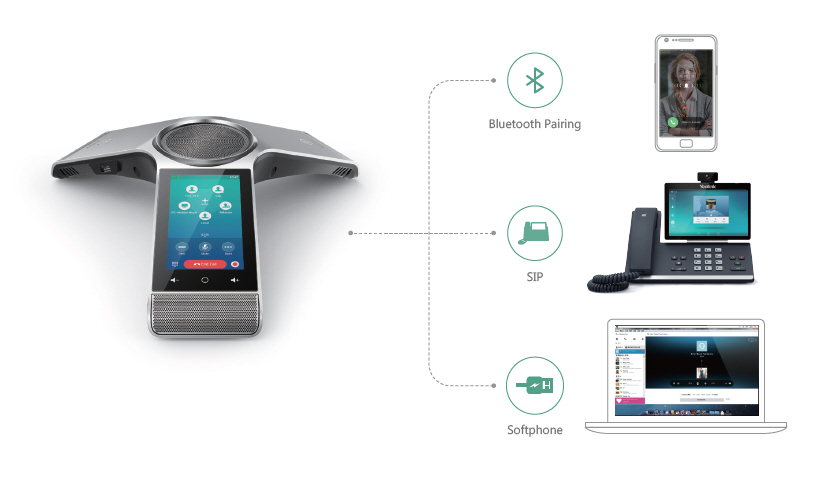
What is a VoIP Phone System?
A VoIP Phone System (Voice over Internet Protocol) allows users to make voice calls using the internet instead of traditional telephone lines. This technology has revolutionized communication by offering features such as call forwarding, voicemail-to-email, and video conferencing—all wrapped up in one neat package.
How Does a VoIP Phone System Work?
VoIP converts analog voice signals into digital data packets that can be transmitted over the internet. When you make a call, your voice is digitized, compressed, and sent via the internet to the recipient’s VoIP telephone or system, where it is then converted back into sound.
Benefits of Using VoIP Phone Systems
Cost-Efficiency: Traditional phone lines can be expensive. VoIP significantly reduces long-distance charges.
Flexibility: With VoIP, you can take your phone system anywhere with an internet connection—perfect for remote work.
Scalability: Adding new lines or features is typically easier and more affordable than traditional systems.
Advanced Features: From call analytics to auto-attendants, many advanced features come standard with many VoIP systems.
Understanding CRM Tools
Customer Relationship Management (CRM) tools are software applications designed to help businesses manage their interactions with current and potential customers. By collecting data across various channels—phone calls, emails, social media interactions—CRMs provide invaluable insights into customer behavior.
Key Functions of CRM Tools
- Contact Management: Store and organize customer information. Lead Tracking: Monitor potential customers through the sales funnel. Reporting & Analytics: Generate reports on sales performance and customer interactions. Automation: Streamline repetitive tasks like follow-ups and email marketing.
Why Integrate CRM Tools with Your VoIP Phone System?
Integrating your CRM tools with your VoIP phone system creates a seamless flow of information that enhances customer interactions and boosts productivity.
Enhanced Customer Insights
Integrating these systems allows businesses to gather comprehensive data about every interaction they have with customers. This data can reveal patterns in purchasing behavior or highlight areas where service needs improvement.
Real-Time Information Access
With integrated systems, employees can access customer details during calls without having to toggle between applications. This real-time information access improves response times and provides better service.
Automated Call Logging
Forget manual note-taking! An integrated system can automatically log calls in the CRM after each interaction—a huge time-saver for teams focused on nurturing leads.
Setting Up Integration: Step-by-Step Guide
Integrating your CRM tools with your VoIP telephone doesn’t have to be daunting! Follow these steps:
Choose Compatible Systems: Ensure your chosen VoIP system supports integration with your preferred CRM tool.

APIs are Key: Most modern CRMs offer APIs (Application Programming Interfaces) that allow different software applications to communicate seamlessly.
Consult Documentation: Check both platforms' documentation for specific setup instructions tailored to your needs.
Test Connections: After integration, conduct thorough testing by making calls and checking if logs appear correctly in your CRM dashboard.
Train Your Team: Provide training sessions to familiarize staff members with the new features available through integration.
Monitor Performance: Regularly assess how well the integration is working; tweak settings or processes as necessary.
Features You’ll Love About Integration
Click-to-Call Functionality
Imagine being able to click a number in your CRM and make a call instantly! This feature saves time while reducing dialing errors—a win-win!
Call Recording Capabilities
Recording calls can help train employees while also ensuring compliance where necessary—what could be better than listening back on those golden moments?
Unified Communication Channels
By combining all communications into one platform (calls, emails, chats), team members stay on the same page—greatly improving collaboration!
Case Studies Showcasing Success Stories
Many companies have successfully integrated their CRM tools with their VoIP phone systems:
Company X – Sales Efficiency Boosted by 30%
By using an integrated system that logged calls directly into their Salesforce instance, Company X saw a two-fold increase in lead follow-up efficiency.
Company Y – Enhanced Customer Satisfaction
Company Y utilized automated logging features which helped reduce average response times by half—leading to happier customers!
Challenges You Might Face During Integration
While integrating these technologies offers numerous advantages, it's not without its hurdles:
Compatibility Issues: Not all CRMs work seamlessly with all VoIP providers—do thorough research beforehand!
Training Needs: Employees may require training sessions before they feel comfortable using new systems effectively.
Data Security Concerns: Ensure that both platforms adhere strictly to data protection regulations; this is crucial!
Maintaining Your Integrated Systems Over Time
Your job doesn't end once you've completed integration! Regular maintenance is essential:
Update Software Regularly: Keep both systems updated for optimal performance.
Review User Feedback: Regularly collect feedback from users about their experiences; adapt as needed!
Analyze Data Trends: Use analytics provided by both platforms; adapt strategies based on emerging trends in customer interactions!
Frequently Asked Questions (FAQs)
1. What types of businesses benefit most from integrating CRM tools with their VoIP phone system?
Small-to-medium-sized businesses looking for scalable solutions tend to benefit greatly—but larger enterprises can also find value through increased efficiency!
2. How much does it cost to integrate a CRM tool with my existing VoIP phone system?
Costs vary greatly depending on selected solutions; however many cloud-based options offer affordable subscription models that scale according to company size!
3. Can I use multiple CRMs with my VoIP phone system?
Yes! Many modern VoIPs support multi-CRM integrations—but check compatibility before diving in headfirst!
4. Is technical expertise required for setup?
Basic tech skills should suffice for setup; however consulting IT experts may expedite processes if complications arise during installation!
5. Can I track analytics from calls made through my integrated system?
Absolutely! Most integrated setups allow detailed tracking of call metrics which aid strategic decision-making processes moving forward!
6. What should I do if I encounter issues post-integration?
Don't panic! Contact support services provided by both platforms—most offer reliable assistance when hiccups occur post-installation period!
Conclusion
In conclusion, “Integrating CRM Tools with Your VoIP Telephone for Better Customer Insights” isn't merely an option anymore—it’s essential! The synergy created between these two technologies leads not only to improved operational efficiencies but also elevates overall customer experiences—a win-win scenario if there ever was one! Don’t let outdated methods weigh down progress; leap into modernity today!